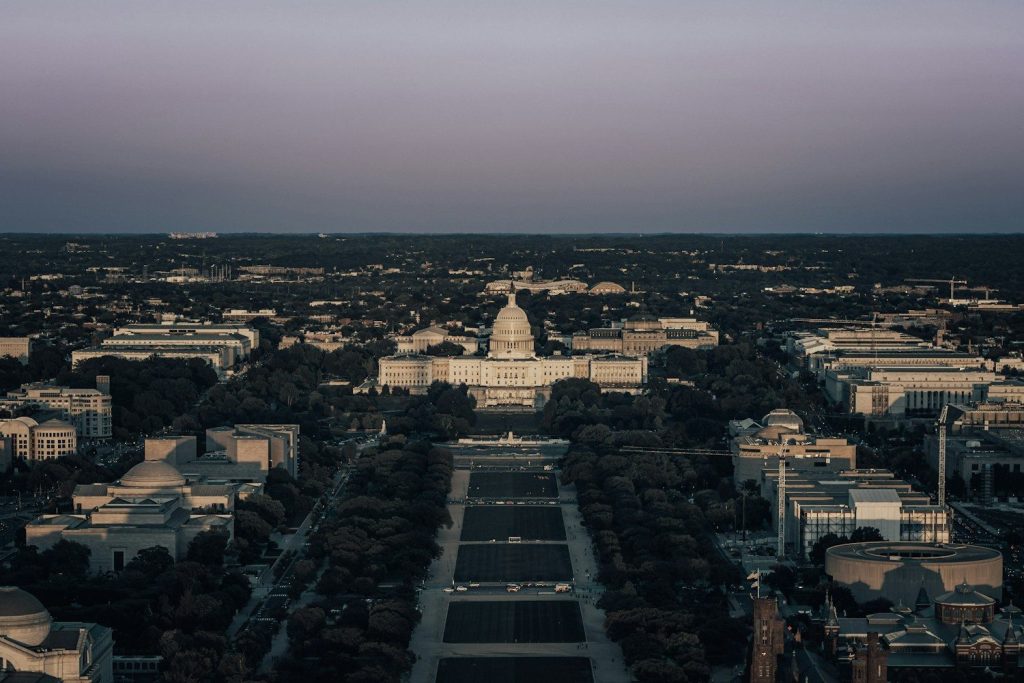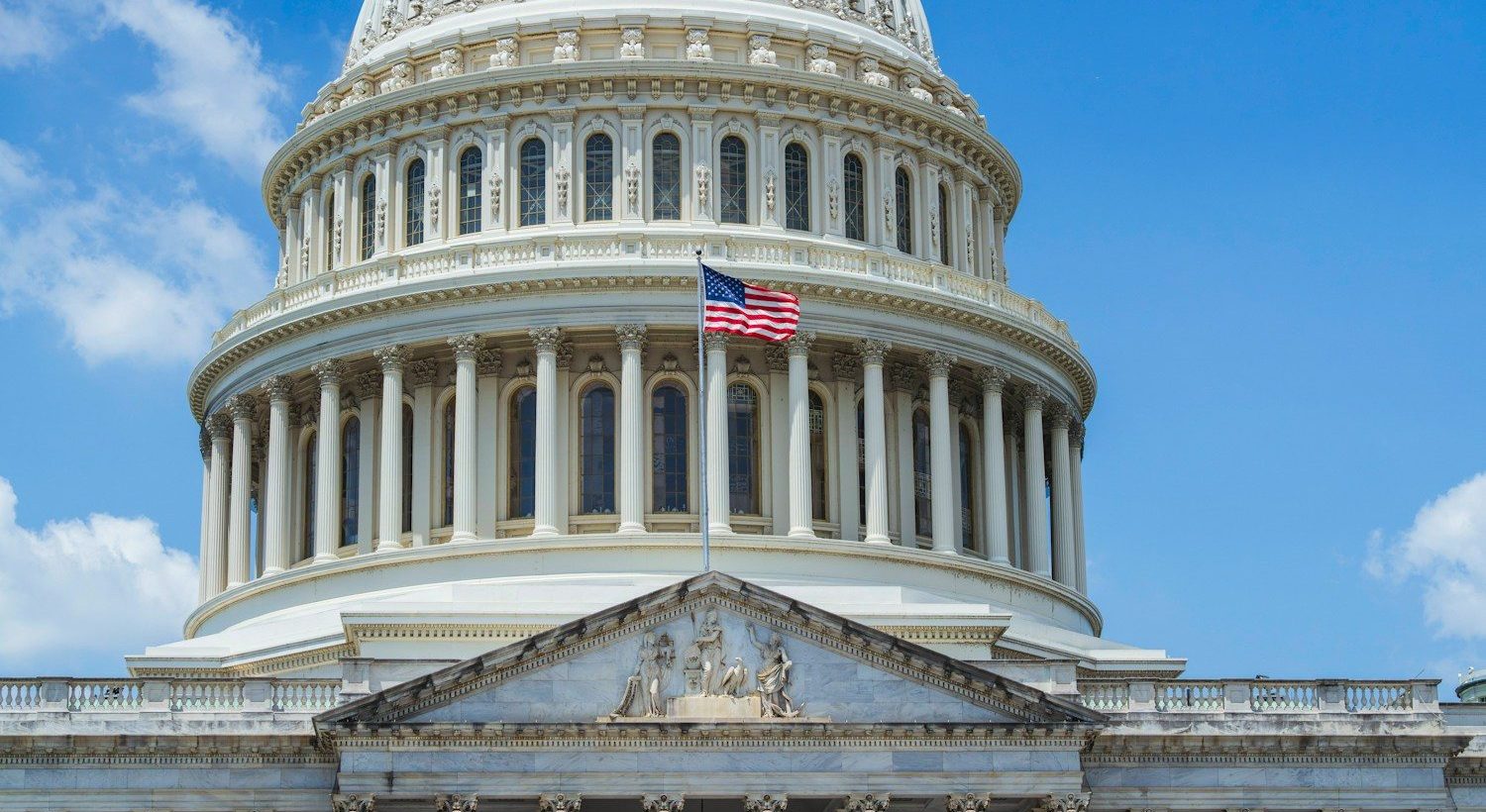
El Congreso de Estados Unidos es el poder legislativo federal: escribe las leyes, aprueba el presupuesto, declara la guerra y vigila al Gobierno. Lo crea el artículo I de la Constitución de 1787 y lo forman dos cámaras que se reúnen en el Capitolio de Washington: el Senado y la Cámara de Representantes. Entre las dos suman 535 legisladores con voto.
Ese diseño de dos cámaras no es un capricho. Fue el pacto que permitió unir estados grandes y pequeños: en una cámara cada estado pesa según su población; en la otra, todos valen lo mismo. Casi todo lo que se oye sobre bloqueos, mayorías y negociaciones en Washington nace de ese equilibrio. En CongressLink lo explicamos sin jerga, con los datos que de verdad ayudan a entender las noticias.
Las dos cámaras, frente a frente
Senado y Cámara de Representantes: diferencias
Las dos cámaras tienen que aprobar el mismo texto para que una ley salga adelante, pero no se eligen igual, no duran lo mismo y cada una tiene poderes que la otra no tiene.
| Senado (cámara alta) | Cámara de Representantes | |
|---|---|---|
| Miembros | 100, dos por estado | 435 con voto, repartidos según la población tras cada censo |
| Mandato | 6 años; un tercio del Senado se renueva cada dos | 2 años; se renueva entera |
| Requisitos | 30 años de edad y 9 de ciudadanía | 25 años de edad y 7 de ciudadanía |
| Preside | El vicepresidente del país, que solo vota para desempatar | El presidente de la Cámara (Speaker), elegido por los propios representantes |
| Poderes propios | Ratifica tratados por dos tercios, confirma nombramientos (jueces del Supremo, ministros, embajadores) y juzga el impeachment | Inicia las leyes de impuestos y abre el proceso de impeachment |
El Senado de EE. UU.
El Senado de Estados Unidos representa a los estados. California y Wyoming tienen los mismos dos senadores aunque una tenga decenas de veces más habitantes que el otro. Sus mandatos largos y su renovación por tercios buscan que sea una cámara más pausada. En el día a día, quien marca la agenda no es el vicepresidente, sino el líder de la mayoría, que decide qué se debate y cuándo; existe además un presidente pro tempore, cargo honorífico que suele ocupar el senador más veterano del partido mayoritario.
La Cámara de Representantes
La Cámara de Representantes es la cámara del pueblo: cada representante responde ante un distrito de unos 760.000 habitantes y vuelve a las urnas cada dos años, lo que la hace muy sensible al humor de los votantes. Además de los 435 miembros con voto, se sientan seis delegados sin voto en el pleno, entre ellos los del Distrito de Columbia y Puerto Rico. Su presidente, el Speaker, es una de las figuras más poderosas del país y ocupa el segundo puesto en la línea de sucesión presidencial, tras el vicepresidente.
Cómo nace una ley
Cómo se aprueba una ley en el Congreso de EE. UU.
Cada legislatura del Congreso dura dos años y en ese tiempo se presentan miles de proyectos de ley. Solo una pequeña parte llega a aprobarse. El camino tiene seis etapas, y en cualquiera de ellas un proyecto puede quedarse varado:
- PresentaciónUn senador o un representante registra el proyecto en su cámara. Las leyes de impuestos deben empezar en la Cámara.
- ComisiónSe envía a la comisión del área, que celebra audiencias, lo enmienda o lo deja morir sin votarlo. Aquí se filtra la mayoría.
- PlenoSi la comisión lo aprueba, se debate y vota en el pleno. En el Senado puede chocar con el obstruccionismo.
- Otra cámaraEl texto aprobado pasa a la otra cámara y repite el recorrido de comisión y pleno.
- Texto comúnSi cada cámara aprueba una versión distinta, deben igualarlas, a menudo en una comisión mixta, y votar otra vez el texto final.
- Firma o vetoEl presidente firma la ley o la veta. Un veto solo se supera con dos tercios de los votos en ambas cámaras.
El obstruccionismo (filibusterismo) en el Senado
En el Senado el debate no tiene un límite fijo. Un grupo de senadores puede alargarlo indefinidamente para impedir que algo se vote: es el filibusterismo. Para cortarlo hace falta aprobar la «clausura», que hoy exige 60 votos de 100. Por eso muchas leyes necesitan, en la práctica, una mayoría holgada y algún apoyo del partido contrario, y por eso se habla tanto de esa cifra mágica de 60 escaños.
Leyes que cambiaron el país
Dos votaciones que hicieron historia
Para entender lo que puede hacer el Congreso de los Estados Unidos, nada mejor que dos leyes de los años sesenta que transformaron el país y que todavía se estudian como ejemplo del procedimiento legislativo.
1964
Ley de Derechos Civiles
Prohibió la segregación racial en hoteles, restaurantes, transportes y otros lugares públicos, y la discriminación en el empleo por raza, color, religión, sexo u origen nacional.
En el Senado se topó con el obstruccionismo más largo de su historia: más de dos meses de debate hasta que, el 10 de junio de 1964, se logró por primera vez la clausura de un debate sobre derechos civiles. El presidente Lyndon B. Johnson la firmó el 2 de julio.
1965
Ley de Derecho al Voto
Eliminó las pruebas de alfabetización y otras trabas con las que varios estados impedían votar a la población negra, y puso bajo supervisión federal los cambios en las normas electorales de los lugares con peor historial.
Johnson la firmó el 6 de agosto de 1965, meses después de las marchas de Selma a Montgomery, que habían sacudido a la opinión pública.
Elecciones
Cómo se elige el Congreso: las elecciones de medio mandato
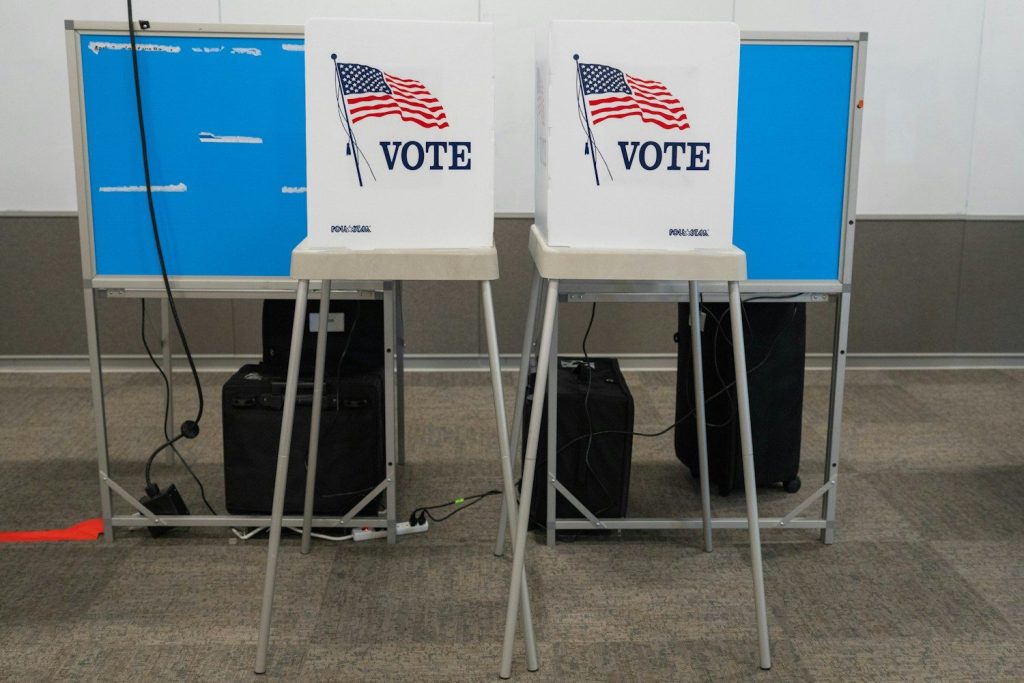
Las elecciones al Congreso se celebran cada dos años, el martes siguiente al primer lunes de noviembre. Cuando coinciden con las presidenciales, pasan algo desapercibidas; cuando caen a mitad del mandato del presidente, se convierten en un examen a su gestión. Son las elecciones de medio mandato.
Elecciones de medio mandato de 2026
Se celebran el 3 de noviembre de 2026. Se renuevan los 435 escaños de la Cámara de Representantes y alrededor de un tercio del Senado, y el resultado decide qué partido controla cada cámara durante la segunda mitad del mandato presidencial.
Desde 1913, con la 17.ª enmienda, los senadores se eligen por voto directo; antes los designaban las asambleas de cada estado. Los distritos de la Cámara se redibujan tras cada censo decenal, y esa forma de trazar los mapas, a veces muy discutida, influye en cuántos escaños gana cada partido.
Preguntas
Preguntas frecuentes sobre el Congreso de Estados Unidos
¿Cuántos miembros tiene el Congreso de EE. UU.?
535 con voto: 100 senadores y 435 representantes. En la Cámara se sientan además seis delegados sin voto en el pleno.
¿Quién preside el Senado de Estados Unidos?
Formalmente, el vicepresidente del país, que solo vota para deshacer un empate. En su ausencia lo preside el presidente pro tempore, y la agenda diaria la marca el líder de la mayoría.
¿Dónde se reúne el Congreso?
En el Capitolio de Washington: el Senado en el ala norte y la Cámara de Representantes en el ala sur del edificio.
¿Qué diferencia hay entre el Congreso y el Senado en Estados Unidos?
El Senado es una de las dos partes del Congreso. El Congreso es el conjunto formado por el Senado y la Cámara de Representantes.
¿Qué es el obstruccionismo o filibusterismo?
Es la táctica de alargar el debate en el Senado para impedir una votación. Se corta aprobando la clausura, que hoy requiere 60 votos de 100.
¿Puede el presidente bloquear una ley aprobada por el Congreso?
Sí, con el veto. El Congreso puede superarlo si dos tercios de cada cámara vuelven a votar a favor de la ley.